
Ancient Messene

Museums in Messinia: Discover 3,500 Years of History

Messinia isn’t just about stunning beaches and mountain villages — it’s a living museum where every corner tells a story spanning 3,500 years. From Mycenaean palaces and Venetian castles to Byzantine churches and folk art collections, this region preserves some of Greece’s most important historical treasures. In this comprehensive guide, you’ll discover the best museums in Messinia, with accurate information on opening hours, ticket prices, and insider tips.

In this article

1. Archaeological Museums & Sites

Archaeological Museum of Messenia (Kalamata)

The main archaeological museum of the region, housed in the renovated old Municipal Market building (opened 2022). Features artifacts from Neolithic to late antiquity with modern exhibition design.

Key Exhibits:

  • Mycenaean Room: Gold jewelry, weapons, pottery from Pylos and surrounding palaces
  • Tholos Tombs: Reconstructed burial chambers from Voïdokilia and Routsi
  • Classical & Hellenistic Period: Sculptures, inscriptions, everyday objects
  • Roman Period: Stunning floor mosaics, statues, coins
  • Byzantine Collection: Sculptures, architectural elements

Practical Info:

  • Address: Benaki & Agiou Ioannou Streets, Kalamata
  • Phone: +30 27210 83485, 27210 26410
  • Email: efames@culture.gr
  • Entry fee: €10 (full), €5 (reduced)
  • Hours: Tuesday-Sunday 08:30-15:30 (winter), 08:00-20:00 (summer), closed Mondays
  • Time needed: 2-3 hours
  • Accessibility: Fully wheelchair accessible
  • Audio guide: Available in English, German, French (€3-5)

Tip: Visit early morning (09:00-10:00) to avoid crowds.

Palace of Nestor (Ano Englianos, Pylos) 

Discovered in 1939 by Carl Blegen, this is one of the most important Mycenaean archaeological sites in Greece. The palace was the administrative center of a vast kingdom mentioned in Homer’s Odyssey.

What You’ll See:

  • Throne Room: Impressive circular hearth (4m diameter) with decorative patterns
  • Royal Baths: Ancient plumbing system still visible
  • Wine Magazine: 28 large storage jars (pithoi) for wine storage
  • Workshops: Areas where artisans created pottery and textiles
  • Archive Room: Where the famous Linear B tablets were found

Practical Info:

  • Location: 8 km north of Pylos, near Ano Englianos village
  • Entry fee: €10 (full), €5 (reduced)
  • Hours: Tuesday-Sunday 08:30-15:30 (winter), 08:00-20:00 (summer), closed Mondays
  • Time needed: 1.5-2 hours
  • Facilities: Small parking lot, no café (bring water)

Tip: Combine with Archaeological Museum of Pylos for complete Mycenaean experience.

Archaeological Museum of Pylos (Niokastro) 

Housed inside the Niokastro fortress, this modern museum (renovated with Stavros Niarchos Foundation support) showcases artifacts from the Palace of Nestor and other Mycenaean sites.

Highlights:

  • Frescoes: Beautiful wall paintings depicting figures, animals, and nature scenes
  • Pottery: Exquisite examples of Mycenaean ceramic art
  • Weapons: Bronze swords, daggers, and armor
  • Gold Objects: Jewelry and decorative items from royal tombs
  • Linear B Tablets: Examples of the earliest written Greek

Practical Info:

  • Address: Inside Niokastro, Pylos
  • Entry fee: €10 (full), €5 (reduced)
  • Hours: Tuesday-Sunday 08:30-15:30 (winter), 08:00-20:00 (summer), closed Mondays
  • Time needed: 1-1.5 hours
 
Tip: The museum is small but beautifully curated — perfect for understanding the context of the Palace of Nestor.
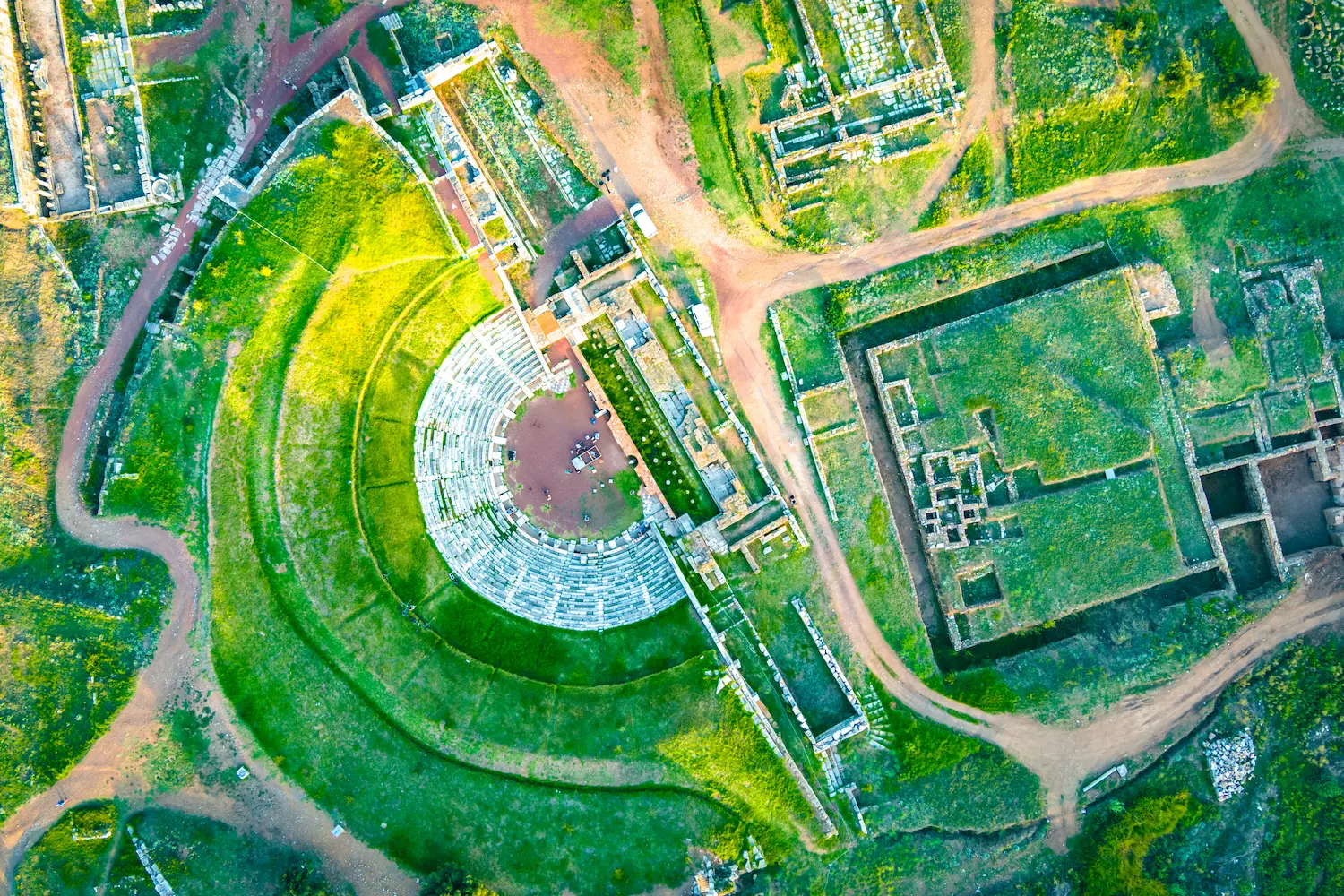
Ancient Messene 
One of the most impressive archaeological sites in Greece, Ancient Messene is a vast ancient city founded in 369 BC by the Theban general Epaminondas, with remarkably well-preserved monuments.
 
Key Monuments:
  • Stadium: One of the best-preserved in Greece (capacity 5,000)
  • Theater: Ancient theater with stunning views of Mount Ithome
  • Asklepieion: Sanctuary dedicated to the god of healing with impressive colonnades
  • City Walls: 9 km of fortifications with impressive Arcadian Gate
  • Ancient Agora: Central marketplace with colonnades
  • On-site Museum: Houses finds from the excavations
 
Practical Info:
  • Location: Near Mavrommati village, 30 km from Kalamata
  • Entry fee:
    • Summer (Apr-Oct): €15 (site only), €20 (site + museum)
    • Winter (Nov-Mar): €10 (combined ticket)
  • Hours: Daily 08:30-15:30 (winter), 08:00-20:00 (summer)
  • Phone: +30 27240 51223
  • Time needed: 3-4 hours minimum
  • Facilities: Museum, café, parking, restrooms
 
Tip: Wear good walking shoes and bring water — the site is extensive (2+ km of walking) and involves significant elevation changes.
2. Byzantine & Religious Museums

Byzantine Museum of Messenia (Kalamata)

Housed in the restored 12th-century church of Pantánassa within the Kalamata Castle complex, this museum features an impressive collection of Byzantine and post-Byzantine art.

Exhibits:
  • Icons: Religious paintings from the 12th-19th centuries
  • Manuscripts: Illuminated gospel books and religious texts
  • Ecclesiastical Objects: Chalices, crosses, vestments
  • Frescoes: Fragments from Byzantine churches
  • Sculptures: Marble reliefs and architectural elements
Practical Info:
  • Address: Inside Kalamata Castle
  • Hours: Tuesday-Sunday 08:30-15:30, closed Mondays
  • Entry fee: €4 (summer), €2 (winter)
  • Time needed: 1-1.5 hours
  • Accessibility: Partially accessible (castle has steps)
Tip: Combine with a walk around Kalamata Castle for stunning views of the city and the Messinian Gulf.
Monastery of Voulkano (Mount Taygetos) 
This historic Byzantine monastery is perched dramatically on Mount Taygetos at 1,000m altitude, offering breathtaking views of the Messinian Gulf.
Highlights:
  • Katholikon: 11th-century church with original frescoes
  • Museum: Religious artifacts, manuscripts, vestments
  • Library: Rare Byzantine manuscripts
  • Views: Panoramic views of Messinian Gulf
Practical Info:
  • Location: Mount Taygetos, 35 km from Kalamata
  • Hours: 09:00-13:00 and 16:00-19:00 (summer), 09:00-13:00 and 15:00-17:00 (winter)
  • Entry fee: Free (donations welcome)
  • Getting there: Car essential, last 3 km on dirt road (passable by regular car)
  • Dress code: Modest clothing required (shoulders and knees covered)
Tip: Combine with a visit to the nearby monastery taverna for traditional food and stunning views.
Church of the Holy Apostles (Kalamata) 
This beautiful Byzantine church dates back to the 10th-11th century and is one of the oldest in Kalamata.
Features:
  • Architecture: Classic Byzantine cross-in-square design
  • Frescoes: 14th-century wall paintings
  • History: Survived the 1821 Greek Revolution and the 1884 earthquake
Practical Info:
  • Address: Old Town, Kalamata (near the castle)
  • Hours: 08:00-20:00 daily
  • Entry fee: Free
  • Time needed: 30 minutes
Tip: Visit during evening liturgy (18:00-20:00) to experience the spiritual atmosphere.

3. Folk Art & Historical Museums

Benakeio Museum (Kalamata)

Named after the Benakis family (founders of the famous Benaki Museum in Athens), this comprehensive museum showcases the history and culture of Kalamata from ancient times to the 20th century, housed in the historic Benakis family mansion.

Collections:
  • Folk Art: Traditional costumes, jewelry, household items
  • Historical Photographs: Kalamata before and after the 1884 earthquake
  • Weaving Exhibition: Traditional looms and textiles
  • Byzantine Icons: Religious art collection
  • Library: Rare books and manuscripts
Practical Info:
  • Address: 153 Aristomenous Street, Kalamata
  • Hours: Monday-Friday 09:00-14:00, closed weekends
  • Entry fee: €4
  • Time needed: 1.5-2 hours
  • Accessibility: Fully accessible
Tip: The museum shop has excellent books on Messinian history and traditional crafts.
 
Historical & Folklore Museum of Kalamata

A charming small museum dedicated to preserving traditional Messinian culture and the region’s role in the Greek War of Independence (1821).

Exhibits:
  • Revolutionary Era: Weapons, documents, personal items of freedom fighters
  • Traditional Rooms: Recreated living spaces from the 19th century
  • Costumes: Elaborate traditional dress from different regions
  • Tools: Agricultural, weaving, and household implements
Practical Info:
  • Address: Near the castle, Old Town, Kalamata
  • Hours: Tuesday-Sunday 09:00-14:00, closed Mondays
  • Entry fee: €3
  • Time needed: 45 minutes – 1 hour
Tip: Ask the friendly staff for stories about the exhibits — they’re very knowledgeable

4. Castles & Open-Air Museums

Methoni Castle
One of the largest and most impressive medieval castles in the Mediterranean, Methoni was called “the eye of the Venetians” due to its strategic importance.
What to See:
  • The Bourtzi: Iconic tower on a small islet connected by a 14-arch bridge
  • Main Gate: Impressive Venetian entrance with Lion of St. Mark
  • Byzantine Church: Agia Sofia with original frescoes
  • Cisterns: Underground water storage system
  • Museum: Small collection of medieval artifacts
  • Walls: Walk along the massive fortifications (2 km)
Practical Info:
  • Location: Methoni village, 45 km southwest of Kalamata
  • Entry fee: €5 (full), €3 (reduced)
  • Hours: Daily 08:30-15:30 (winter), 08:00-20:00 (summer), closed Tuesdays
  • Time needed: 2-3 hours
  • Facilities: Parking, small café nearby, restrooms
Tip: Visit at sunset for spectacular views and photography — the light on the Bourtzi is magical.

Koroni Castle

Another important Venetian stronghold, Koroni offers stunning views over the Messinian Gulf and is known as “the balcony of the Gulf.”
Highlights:
  • Venetian Architecture: Well-preserved fortifications
  • Monastery of Agios Charalambos: Active monastery inside the castle
  • Museum: Ecclesiastical collection with icons and relics
  • Views: Panoramic vistas of the coastline
  • Traditional Village: Charming streets with local shops
Practical Info:
  • Location: Koroni village, 50 km southwest of Kalamata
  • Entry fee: FREE
  • Hours: Open daily, daylight hours
  • Time needed: 1.5-2 hours
  • Facilities: Parking, tavernas in the village
Tip: Don’t miss the monastery museum — it has beautiful 16th-century icons

Kalamata Castle

Medieval castle overlooking Kalamata with a small Byzantine museum inside.
Features:
  • Fortifications: Well-preserved walls and towers
  • Byzantine Church: Agia Sofia inside the castle
  • Views: Panoramic views of the city and Messinian Gulf
  • Museum: Small collection of Byzantine artifacts
Practical Info:
  • Location: Kalamata city center
  • Entry fee: €5 (full), €3 (reduced)
  • Hours: Daily 08:30-15:30 (winter), 08:00-20:00 (summer), closed Tuesdays
  • Time needed: 1-1.5 hours
Tip: Combine with a visit to the Byzantine Museum inside the castle complex.

Neokastro (Pylos)

Built by the Ottomans in 1573, Neokastro (New Castle) dominates the bay of Pylos and played a crucial role in the Battle of Navarino (1827).
 
Features:
  • Fortifications: Impressive walls and gates
  • Museum: Archaeological Museum of Pylos inside
  • Church of Metamorphosis: Byzantine church inside the castle
  • Views: Stunning views over Pylos bay
  • Historical Significance: Site of the decisive 1827 naval battle
Practical Info:
  • Location: Pylos town
  • Entry fee: €10 (includes museum)
  • Hours: Tuesday-Sunday 08:30-15:30 (winter), 08:00-20:00 (summer), closed Mondays
  • Time needed: 1.5-2 hours
Tip: The walk up to the castle offers great views — wear comfortable shoes.

5. Practical Information

Transportation:

  • Car essential — no public transport – Rent your Car
  • Roads are paved but narrow and winding
  • Drive carefully, especially if it rains (slippery!)

What to bring:

  • Sports shoes (not flip-flops — the stones are slippery!)
  • Spare clothes for the kids
  • Jacket (cool in the villages)
  • Water (at least 1.5L per person)
  • Sunscreen and hat
  • Camera/mobile for photos

Safety:

  • Trails are well-marked but be careful with kids near the water
  • Don’t stray from the trails
  • Tell someone where you’re going (for safety)
  • Download offline maps (Maps.me or AllTrails)

6. The Local’s Secret

“Alagonia is my favorite escape when I want to get away from the city hustle. My secret? I arrive early in the morning (09:30-10:00) and do the hike first — the sun isn’t burning yet, the trails are cool, and you have the trails almost to yourself.

After the hike, we go down to the stream below the square. The kids play in the shallow water, we put our feet in the cold water and enjoy the sun filtering through the plane trees.

At 12:30 we go to Taverna Mavriki — if you arrive early, you’ll get a table and have time to enjoy the food without rushing. Try the spinach pie with mountain herbs — it’s epic!

In the afternoon, if you have time, make a stop in Artemisia for coffee in the square. The kids will run free, you’ll enjoy your coffee listening to the water running.

On the way back, stop at Silimoves for a tsipouro — it’s the perfect ending to a perfect day.

This is the perfect day — no stress, no rush, just nature, food, and family.

7. Frequently Asked Questions (FAQ)

Is it suitable for small children?

Yes! The hike in Alagonia is very easy (2.4 km, 124m elevation gain) and suitable for children 4+ years old. There are also spots with shallow water for playing.

No. Sports shoes are enough. If it has rained, be careful as the stone paths are slippery.

No, the trails are uneven and have steps. But the villages (squares, taverns) are accessible.

 Tavernas operates on weekends and holidays 12:00-22:00. On weekends arrive early (12:30) to get a table or make a reservation.

Yes, the taverns (in the yards) accept pets. Bring a leash and water.

  • For historic experience: Mavriki (since 1879!)
  • For rustic atmosphere: Xylina Spitakia
  • For authentic souvlaki: Cheilanthi
  • For stop on the road: Silimoves
  • For local products: Koupitsa

Combine Your Visit

If you liked this guide for the villages of Taygetos, also see:

Leave a Reply

Your email address will not be published. Required fields are marked *