

1. What You’ll See (The Wildlife)

The Gialova Lagoon is a small paradise of biodiversity and one of the most important Pylos nature activities.
- The Birds: Herons, cormorants, ducks, and spoonbills are permanent residents. Ideal for birdwatching.
- The Flamingos: Yes, they exist! If you come in autumn (mainly October), you’ll see flocks of pink flamingos resting in the shallow waters during their migratory journey. It’s a unique sight for photography.
- The African Chameleon: Insider Info: Gialova is the only place in Europe where this rare species lives and reproduces. Keep your eyes open in the bushes — you might get lucky!
- Best Time: Autumn (September-November) for flamingos, spring (March-May) for migratory birds.
- What to bring: Binoculars (essential!), camera with zoom, notebook for birdwatching.
2. The Hike (The Trail)

You don’t need to be a mountaineer to enjoy the Gialova Lagoon. The terrain is completely flat and the walk is ideal even for children or people with reduced mobility.
- The Route: There’s a circular trail (about 1.5 hours total, ~3 km) that passes through reeds and sand dunes. It gives you the opportunity to see the rich vegetation up close.
- Our Recommendation: You don’t need to do it all if you’re short on time. Walk to the Bird Observatory (15-20 minutes) to enjoy the view.
- The best time: Late afternoon (17:00-19:00). The sunset paints the lagoon waters red and the heat drops. It’s when the birds are most active and the light is perfect for photos.
- Difficulty: Easy — flat trail, suitable for all ages.
- Access: Parking available at the trail entrance (“Valtos” area).
Do It Yourself or Guided Tour?
Explore Navarino Bay your way!
DIY Option:
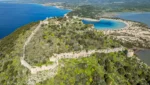
If you love independence, you can hike the trail on your own. Follow the paths from Palaiokastro to Voidokilia Beach and the Gialova Lagoon.
Organized Tour:
For a more complete experience with a local guide, historical insights, and an organized picnic, book our guided tour!
- Includes: Experienced guide, picnic with local products, transportation, photos
- 👉 BOOK NOW: Hiking around Navarino Bay – Guided Tour (€63/person)
3. Extra Tip: Explore by Bike

If you prefer cycling to walking, the area around the Gialova Lagoon is ideal.
Pedal (with electric help!) through gravel paths surrounded by centuries-old olive trees, stop at a breathtaking viewpoint over the lagoon, and keep your camera ready — you might spot flamingos, herons, and other rare birds! Then ride to the famous Voidokilia Beach (shaped like a perfect Omega Ω) and refresh yourself at the Kalamaris Waterfall before enjoying a delicious picnic with fresh bread, local vegetables, cheese, and homemade olive oil. The tour ends with a fun downhill ride back to Pylos — pure joy!
- Duration: 4 hours
- Price: 85€/person
- Distance: 15-25 km (gravel paths, E-bikes make it easy!)
- Includes: E-bike, helmet, bike bag, local guide, picnic snack, photos
- Age: 10+ years
- Meeting Point: Gialova Lagoon, Pylos
- Languages: English, Greek
- Group Size: Max 12 participants
- Highlights: Gialova Lagoon (bird sanctuary), Voidokilia Beach, Kalamaris Waterfall, ancient olive groves, picnic with local products
- Best For: Nature lovers, bird watchers, beach enthusiasts, families with older kids
Why I love it: This tour combines everything that makes Navarino Bay magical — wildlife, beaches, waterfalls, and authentic Messinian flavors — all in one unforgettable ride. And because it’s an E-bike, you can fully enjoy the views without worrying about fitness level!
👉 [BOOK NOW: E-Bike Tour] (Affiliate Link)
[Pylos & Gialova: 7+1 Experiences That Will Elevate Your Trip]